






Embracing Sustainability
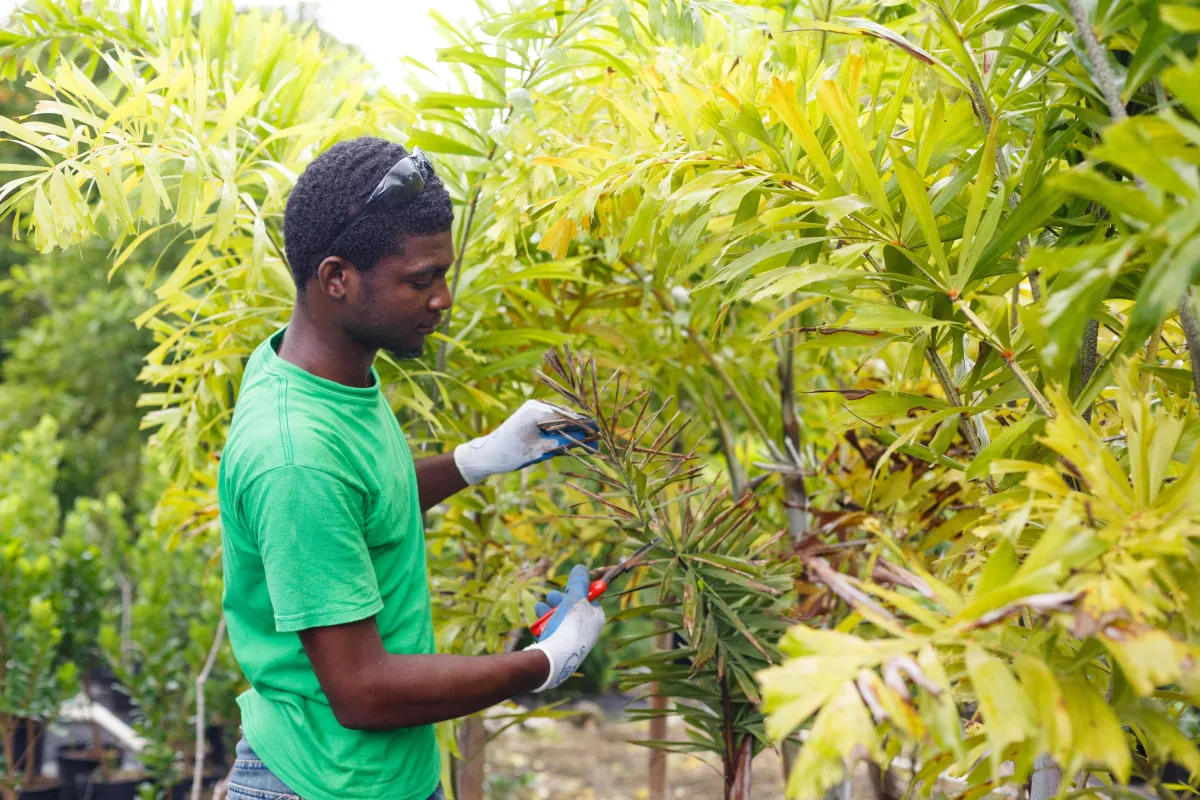
Embracing Sustainability: Understanding Greening in TVET
In our ever-evolving world, the concept of sustainable development has become increasingly crucial, resonating across various sectors and communities. Defined as development that meets the needs of the present without compromising the ability of future generations to meet their own needs, sustainable development encompasses a delicate balance between economic growth, social inclusion, and environmental protection. This holistic approach is not merely a buzzword but a guiding principle that shapes policies, initiatives, and everyday practices worldwide.
At the core of sustainable development lies the integration of production with resource conservation, alongside equitable access to resources for all. Our Common Future, a seminal report on sustainable development, emphasizes the necessity for nations to adopt development strategies that safeguard ecological integrity while ensuring adequate livelihoods and fairness in resource allocation. In essence, sustainability entails improving our current conditions while safeguarding the well-being of future generations and preserving our planet's ecosystems.
A Cornerstone of Sustainability
Environmental degradation poses significant challenges to sustainable development. Practices such as resource depletion and habitat destruction jeopardize ecosystems, exacerbating issues like climate change and biodiversity loss. For instance, the depletion of sand—a vital resource for construction and electronics—threatens ecosystems globally, highlighting the interconnectedness of environmental issues and human activities.
Moreover, pollution and unsustainable resource extraction, notably in water management, further exacerbate environmental degradation. Improper waste disposal and overexploitation of water sources not only harm ecosystems but also jeopardize human health and economic stability. Addressing these challenges requires concerted efforts to transition towards sustainable practices, such as promoting recycling, adopting efficient resource management techniques, and investing in renewable energy.
Fostering Equitable Opportunities
Social inclusion, an integral aspect of sustainable development, emphasizes equal opportunities for all individuals, regardless of background or circumstance. Marginalized communities, including women, persons with disabilities, and those facing socioeconomic barriers, often experience exclusion from mainstream society, hindering their full potential and exacerbating inequalities.
Empowering marginalized groups through education, vocational training, and inclusive policies is essential for fostering social cohesion and equitable development. Initiatives that promote access to healthcare, education, and employment and decent work opportunities, SGD1 can dismantle barriers, ensuring that no one is left behind.
Balancing Prosperity with Sustainability
While economic growth is essential for prosperity, it must be inclusive and sustainable to align with the principles of sustainable development. The transition from informal to formal economies, coupled with investments in green technologies and infrastructure, can stimulate economic growth while minimizing environmental impact.
Promoting entrepreneurship, supporting small businesses, and enhancing access to finance are vital strategies for fostering inclusive economic growth. By prioritizing sustainability in economic policies and practices, nations can create resilient economies that benefit both people and the planet.
TVET has a pivotal role in sustainability, specifically in the fostering of sustainable economic growth. The 2030 Agenda for Sustainable Development indicates that sustainable economic growth can only be achieved when the world of work can effectively transition towards greener and sustainable practices. TVET is central to the identification of the new green qualifications and competencies required to equip the global workforce for a successful transition to the global green economies and societies. Indeed, the UNESCO Strategy for TVET (2022-29) Transforming Technical and Vocational Education and Training (TVET) for successful and just transitions highlights the ‘development of skills for inclusive and sustainable economies’ as one of the priority areas for TVET. This priority area encompasses the identification of skills for the transition to digital and green economies and addressing youth unemployment and meeting demands for digital and green transitions.
Embracing sustainability entails a fundamental shift in how we perceive and approach development. By recognizing the interconnectedness of economic prosperity, social equity, and environmental health, we can forge a path towards a more sustainable future for all. Through collaborative efforts, innovative solutions, and a commitment to change, we can build resilient communities, safeguard our planet's resources, and ensure a better tomorrow for generations to come.
QUICK LINKS
CONTACT US
TVET Council, Hastings House West, Balmoral Gap, Hastings, Christ Church, Barbados, BB14033
+1-246-434-3790
© Copyright 2024. TVET Council Barbados. All rights reserved.